A rushed wedding day timeline is one of the most common reasons couples feel like their day flew by without them in it. This guide walks through how to build a wedding timeline that feels relaxed, from how much buffer time to add to how breaking up portraits into sections keeps everything feeling natural and unforced from getting ready all the way through golden hour.
What You’ll Learn:
- Why buffer time is the single most important part of a relaxed wedding timeline
- How breaking portraits into sections prevents burnout and creates better photos
- Why a second photographer changes what is possible on your wedding day
- What a realistic wedding day timeline actually looks like
- How to protect golden hour no matter what happens earlier in the day
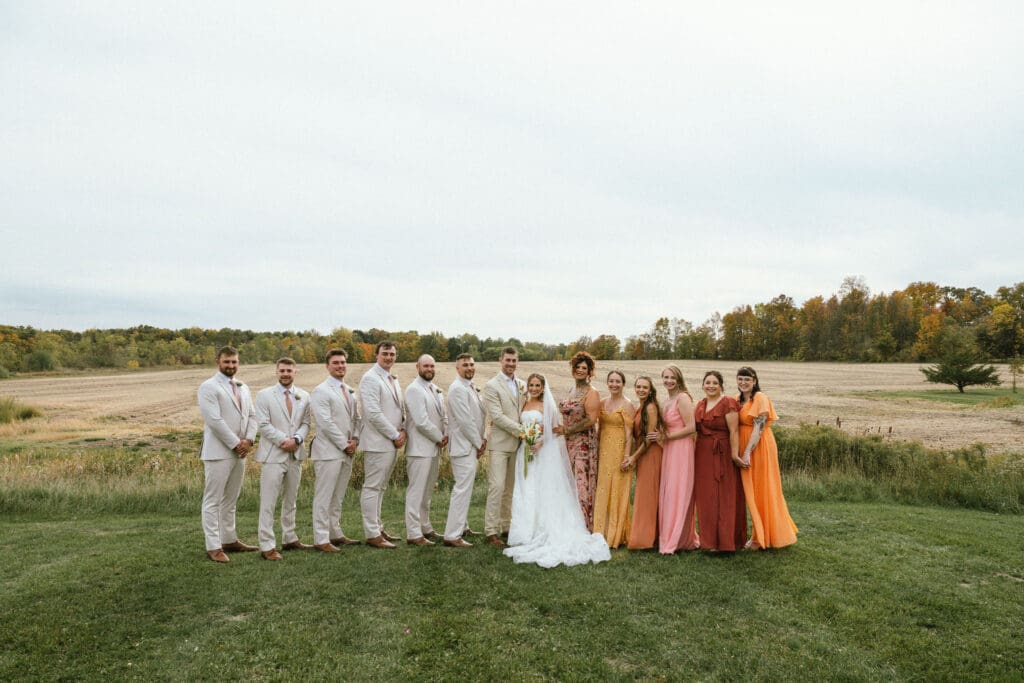
Why Most Wedding Timelines Feel Rushed
The Real Reason Your Day Feels Like a Blur
Most couples tell me after their wedding that it went by so fast. And while that is partly just the nature of the day, it is also often a wedding timeline problem.
When a timeline is packed too tight, every transition becomes a sprint. Getting ready runs long, which pushes the first look, which eats into portraits, which means you are rushing through family formals, which means you arrive at cocktail hour flustered instead of present. One delay creates a domino effect that follows you all the way to the reception.
As a Metro Detroit wedding photographer, building a wedding day timeline that actually feels relaxed is one of the most important things I do for my couples before we even get to wedding day. Because how your timeline is built directly affects how your photos look, how you feel in them, and how much of your own day you actually get to experience.
If you are still in the process of choosing your photographer and wondering how they fit into all of this, I shared what to look for beyond just the portfolio here: What to Look for in a Wedding Photographer
The Most Important Thing I Do: Add Buffer Time Everywhere
How Much Buffer Time You Actually Need in a Wedding Timeline
The number one thing that separates a relaxed wedding day from a stressful one is buffer time. Not a little buffer time. A lot of it.
I build buffer into every single transition in the wedding day timeline. Between getting ready and first look. Between first look and the ceremony. Between family formals and cocktail hour. Between portraits and the reception entrance. Every gap is intentional.
Here is why this matters. Things on a wedding day almost never run perfectly on schedule. Hair and makeup runs over. A family member is late to formals. The florist needs an extra few minutes. When there is no buffer, any one of those things throws off everything that follows. When there is buffer built in, those moments absorb into the day without anyone noticing.
Buffer time also does something just as important. It gives you breathing room to actually be present. To look at your partner before you walk down the aisle. To sit with your wedding party for five minutes and just laugh. To take a breath before the reception doors open. Those are the moments you will remember, and they only happen when the wedding photography timeline makes space for them.
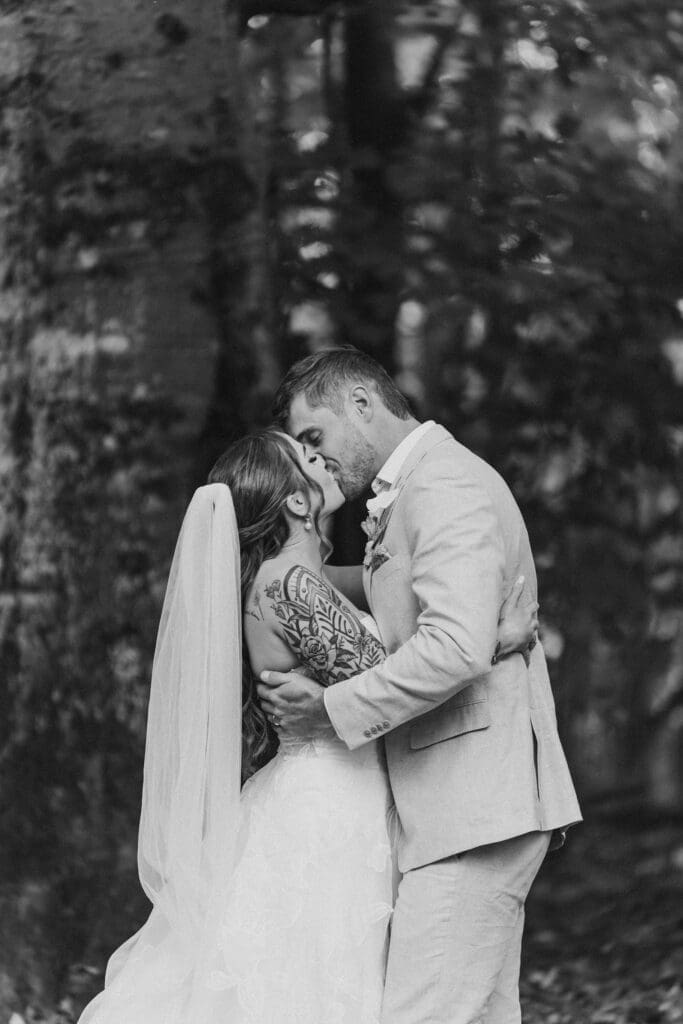
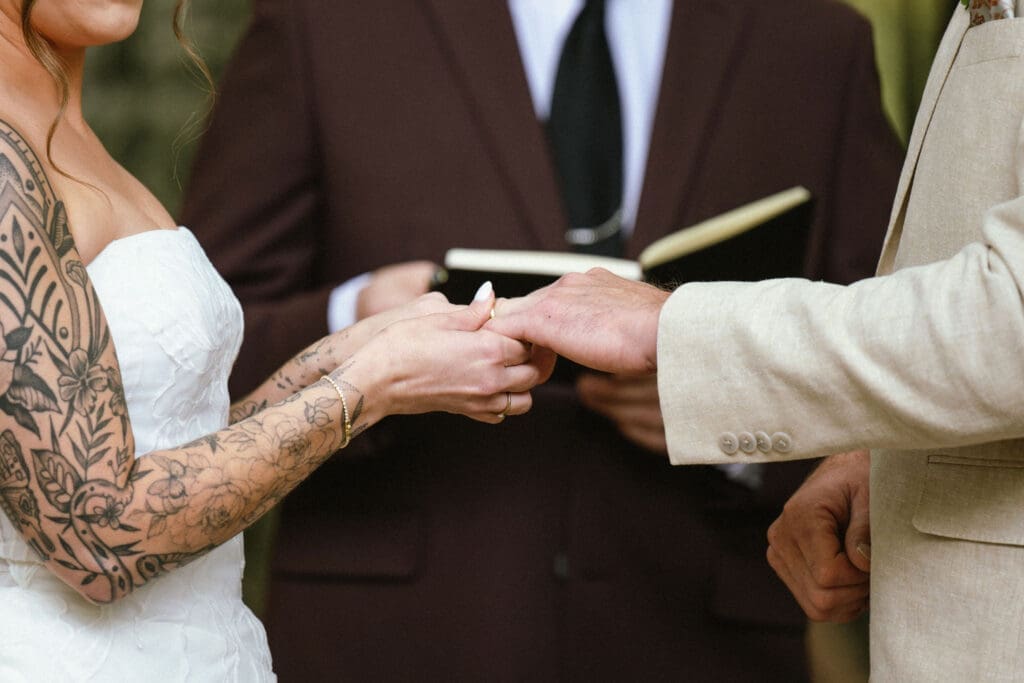
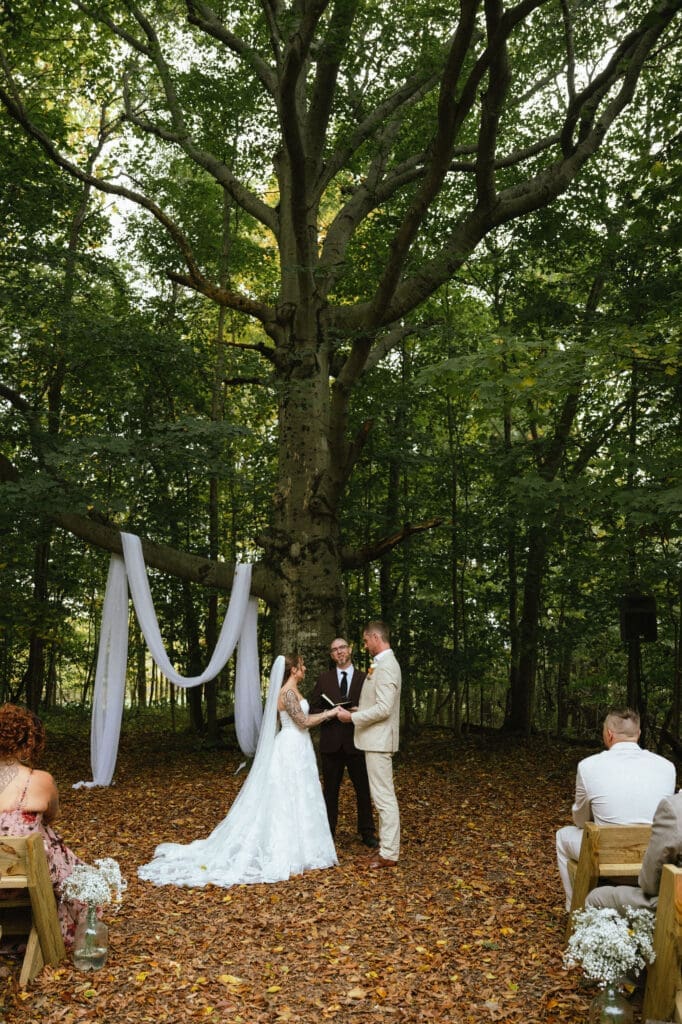
Breaking Up Portraits Into Sections
Why I Split Couples Portraits Into Three 15 Minute Sections
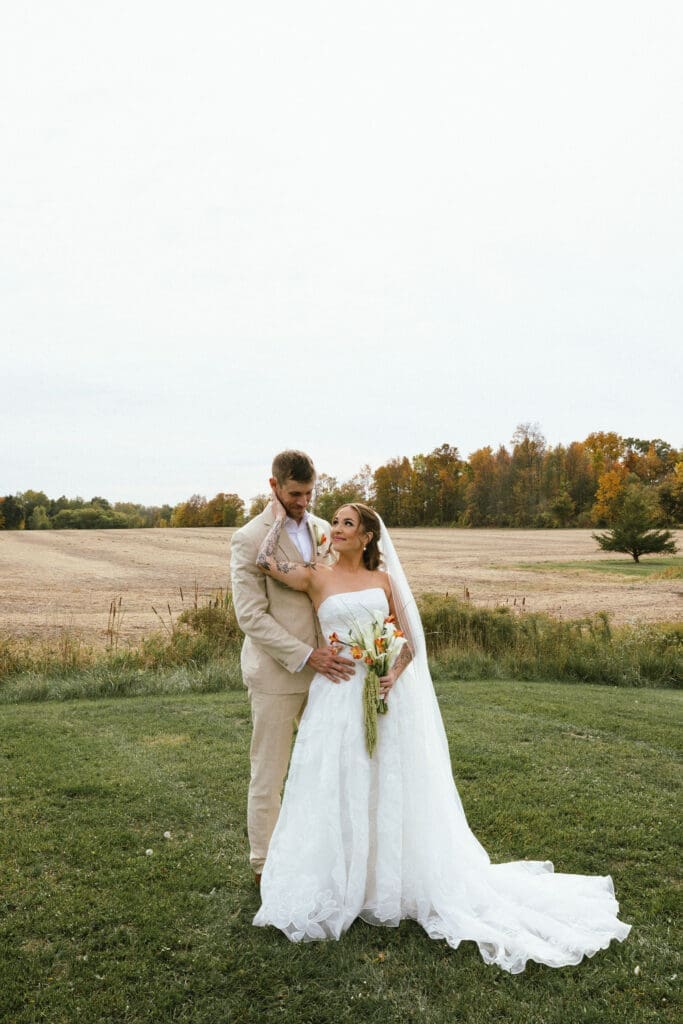
One of the things I do differently with wedding day timelines is break couples portraits into sections rather than doing them all at once. Typically I schedule about fifteen minutes after the first look, fifteen minutes after the ceremony, and then a longer stretch during golden hour.
This approach does something most people do not expect. It prevents portrait burnout.
When you ask a couple to stand in front of a camera for forty five minutes straight, something happens around the thirty minute mark. The smiles start to feel forced. The energy drops. You can feel them mentally checking out. And that shows up in the photos.
But when portraits are broken into shorter sections with real parts of the day in between, every time we come back together you are refreshed. The first look section feels exciting because everything is new. The post ceremony section carries the emotion of what just happened. And golden hour feels like a gift because the pressure is off and the light is extraordinary.
If you are thinking about how to feel more natural during those portrait sections, I shared what actually helps here: How to Feel Comfortable in Front of the Camera
If you are curious about what happens when the wedding timeline runs behind and how to recover, I shared more about that here: What Happens When a Wedding Timeline Runs Late?
Why a Second Photographer Changes Everything
How a Second Photographer Adds to Your Day Without Adding Stress
One of the best investments you can make in your wedding day timeline is adding a second photographer, and not just for the extra coverage.
Here is how it actually works. While I’m with the bride during getting ready, my second photographer is with the groom or other partner at the same time. Neither person misses the other’s getting ready moments. Both stories are being documented simultaneously without anyone feeling rushed or skipped over.
The same thing happens during family formals. While I’m finishing up portraits, my second photographer moves to cocktail hour and documents everything happening there. Your guests laughing, the details on the tables, the candid moments between people who have not seen each other in years. None of that gets missed just because I could not physically be in two places at once.
It adds depth to your gallery and breathing room to your wedding photography timeline because I’m no longer feeling like I need to sprint between every moment. I shared a full breakdown of what a second photographer actually covers and whether you need one here: Do You Need a Second Photographer for Your Wedding?
Protecting Golden Hour No Matter What
Why Golden Hour Should Be Non Negotiable in Your Wedding Timeline
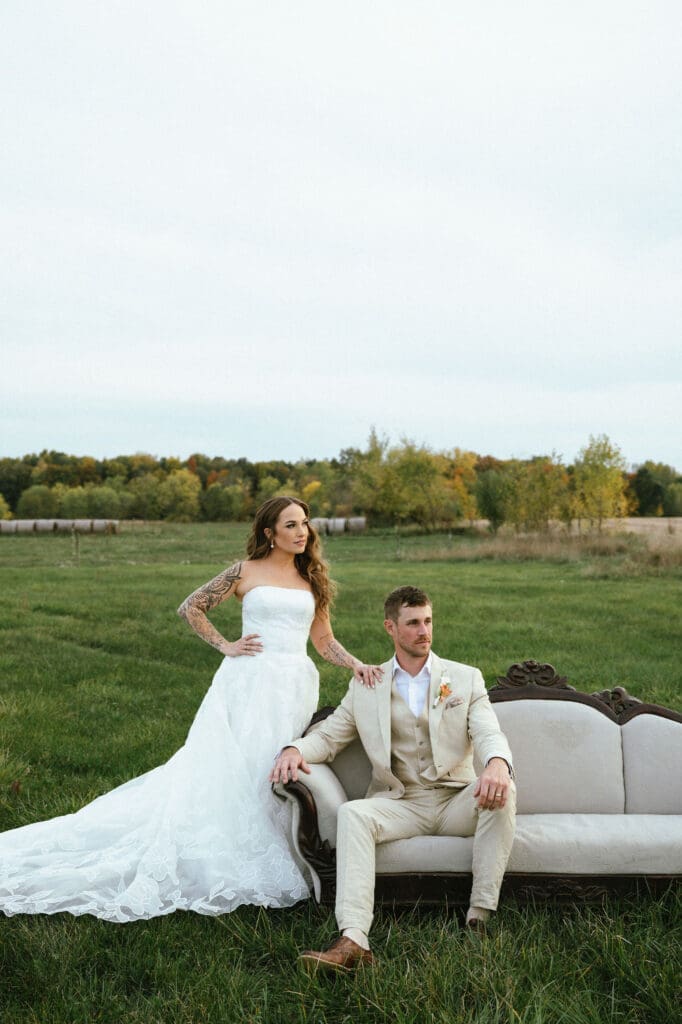
Golden hour is the thirty to forty five minutes just before sunset, and it is hands down the most beautiful light of the entire day. Soft, warm, and completely flattering. It makes even the simplest location look extraordinary.
The problem is that golden hour is also the first thing that gets sacrificed when a wedding day timeline runs behind. Dinner gets pushed, toasts run long, and suddenly the sun is gone before you ever made it back outside.
I protect golden hour in every timeline I build by treating it as a fixed point and building everything else around it. We know what time sunset is. We work backwards from there. And I always give couples a heads up during the reception so we can sneak out for fifteen minutes before the light disappears.
Those fifteen minutes at golden hour are almost always the photos couples point to first when they get their gallery back.
A Sample Wedding Day Timeline That Feels Relaxed
What a Realistic Wedding Photography Timeline Actually Looks Like
Every wedding is different, but here is a general framework for a ceremony that starts around four in the afternoon.
Noon: Hair and makeup begins for the wedding party. Always build in more time than the stylist quotes you.
Two thirty: Getting ready photos begin. Dress, details, quiet moments before everything gets loud.
Three fifteen: First look and fifteen minutes of couples portraits.
Three forty five: Wedding party photos.
Four fifteen: Buffer. Everyone breathes, touches up, and gets in position.
Four thirty: Ceremony begins.
Five fifteen: Family formals immediately following the ceremony.
Five forty five: Cocktail hour begins. Second photographer covers this while I finish any remaining portraits.
Six: Fifteen minutes of couples portraits after the ceremony while emotions are still high.
Six fifteen: Reception entrance.
Eight fifteen: Sneak out for golden hour portraits before the light is gone. The time might need to be adjusted depending on time of year.
Nine: Back inside for dancing, cake, and the rest of the evening.
This is not a rigid script. It is a framework. The details shift based on your venue, your vendor team, and what matters most to you. But the principles stay the same. Buffer everywhere, portraits in sections, golden hour protected.
If you are still deciding how many hours of coverage you need to make a wedding day timeline like this work, I shared more about that here: How Much Wedding Photography Coverage Do You Need?
For couples planning a backyard wedding where the timeline and flow look a little different, I put together a full guide here: Luxury Backyard Weddings in Michigan
The Timeline Is About More Than Photos
How a Relaxed Wedding Day Timeline Changes How Your Day Feels
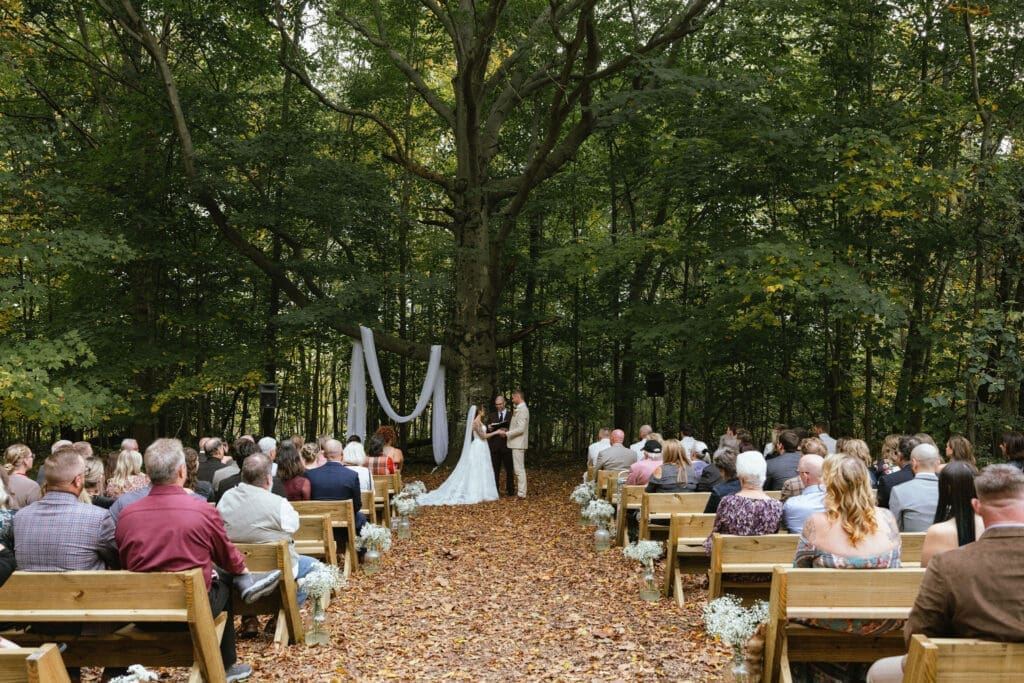
I want to say something that does not get said enough. A good wedding timeline is not just about getting the photos. It is about making sure you actually experience your wedding day.
When the timeline has breathing room, you are not sprinting. You are not stressed. You are not watching the clock. You are just there, with your partner, in the middle of one of the biggest days of your life. And that presence is exactly what makes the photos look the way they do.
If you are looking for a Metro Detroit wedding photographer who builds the wedding day timeline with you before your wedding day and treats it as part of the experience rather than just a schedule, I’d love to connect. You can reach out here: CONTACT
Frequently Asked Questions About Building a Wedding Timeline
How far in advance should I start building my wedding timeline?
I recommend starting to think about your wedding day timeline three to four months before your wedding and locking it in about four to six weeks out once all your vendors have confirmed their timing. I send out a questionnaire around 3 months to start solidifying details.
How long should getting ready take on a wedding day?
Budget more time than you think you need. For a wedding party of four to six people, three to four hours for hair and makeup is realistic. I always recommend adding at least thirty extra minutes on top of whatever your stylist quotes you.
Should I do a first look?
While I always recommend one, it’s not a deal breaker if a first look isn’t something you’d like. I have timelines that work around a no first look wedding day.
A first look is one of the best things you can do for your wedding photography timeline. It moves a large chunk of portraits to before the ceremony, which means you arrive at cocktail hour as a married couple who has already had time together rather than rushing through formals.
What if my wedding timeline runs behind?
It happens on almost every wedding day at some point. The key is having enough buffer built in that one delay does not derail everything else. I shared more about exactly what to do when things run late here: What Happens When a Wedding Timeline Runs Late?
How do I know how many hours of coverage I need?
It depends on what your day includes and what matters most to you. I shared a full breakdown of how to think through coverage here: How Much Wedding Photography Coverage Do You Need?

About the Photographer
I’m Jordan, a Michigan wedding photographer specializing in candid, documentary style imagery for couples who want their wedding day to feel natural and unforced. I photograph weddings throughout Metro Detroit and across Michigan, focusing on honest moments, thoughtful timelines, and images that still feel like you years down the line.
I’ve worked with couples in a wide range of venues, from backyard celebrations to historic estates and modern city spaces. My approach is rooted in experience and preparation so couples can relax and trust that the moments that matter will be documented as they unfold.
If you’re planning your wedding and want to learn more about working together, you can find more details on my wedding experience page or reach out directly through my contact form.
Check my availability:

SHARE POST
READ OR LEAVE A COMMENT
